
QEEG Brain Mapping
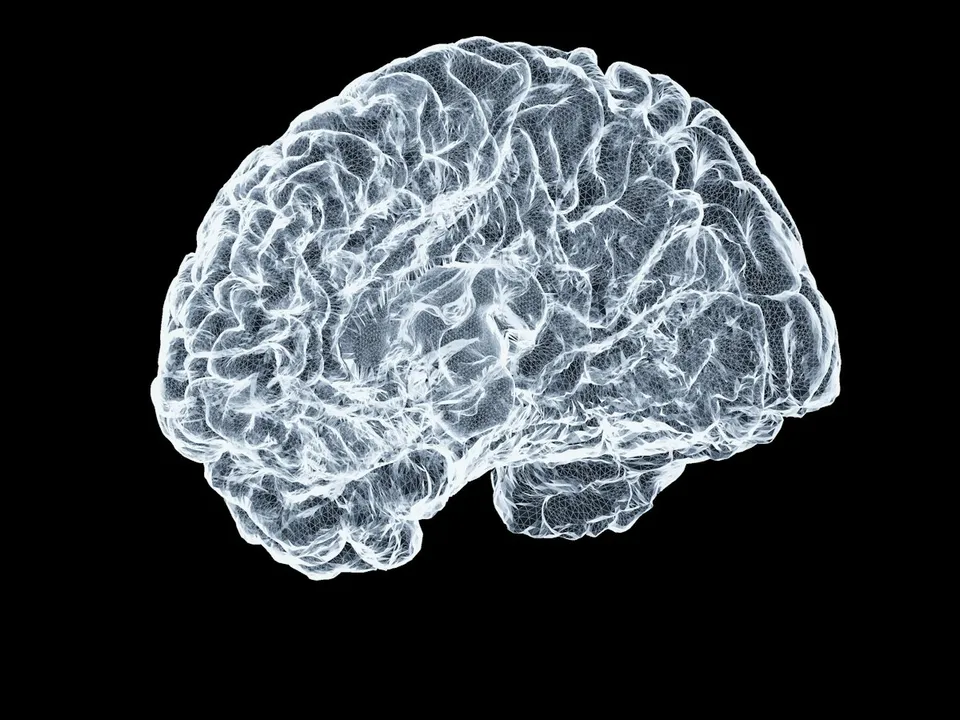
Quantitative EEG (QEEG), often called a brain map, is a noninvasive tool that measures the electrical activity your brain produces and compares it against a normative database to identify patterns that differ from a healthy baseline. At East Valley Naturopathic Doctors in Mesa, Arizona, QEEG brain mapping serves as the diagnostic foundation for creating individualized Neurofeedback treatment plans that are tailored to each patient's unique brain function.
Electroencephalography itself isn't new. Richard Caton first identified electrical activity in the brain in 1875, and Hans Berger recorded it in humans in 1929, showing that brain rhythms originate from neurons and change with age, stimulation, and brain chemistry. Despite the later arrival of MRI, CT, PET, and SPECT scans, EEG has remained a trusted clinical tool because it provides valuable information without exposing patients to radiation.
Ready to learn how your brain is functioning? Contact East Valley Naturopathic Doctors today to schedule your QEEG Brain Mapping consultation in Mesa, Arizona.
How Brain Mapping Works
QEEG measures electrical patterns at the scalp, generated by roughly 20 billion neurons, using 19 channels of data collected through small sensors or a comfortable cap fitted with conductive gel. Data is recorded for approximately 3 to 5 minutes with your eyes closed and then repeated with your eyes open. The entire appointment typically lasts 30 to 45 minutes.
Alzheimer's Brain Mapping with iSYNC
Watch on YouTubeA computer analyzes the data with far greater precision than visual interpretation alone, comparing your results to a large normative database to identify meaningful deviations. This provides an objective, scientific foundation that allows the providers at East Valley Naturopathic Doctors to develop a personalized Neurofeedback treatment plan instead of relying on guesswork.
What QEEG Can Help Evaluate
QEEG patterns have been associated with a wide range of neurological and functional health concerns, including:
- Metabolic dysfunction
- Cellular degeneration
- Addiction
- Stress and anxiety
- Insomnia
- Adrenal fatigue
- Neurotransmitter irregularities
- Inflammation
- Depression
- Memory deficits
- ADD/ADHD
- Traumatic brain injury (TBI)
- PTSD
- Cognitive decline
At East Valley Naturopathic Doctors, QEEG is used alongside your complete medical history, symptoms, and other diagnostic evaluations to help uncover underlying patterns that may be contributing to your health concerns.
How Often Is a Brain Map Repeated?
Your first brain map establishes a baseline, identifying areas of dysregulation that may be contributing to sensory, behavioral, learning, cognitive, or mood-related symptoms.
From there, we typically repeat the brain map after approximately 10 Neurofeedback sessions to measure your progress and determine whether your treatment protocol should be adjusted. Brain mapping may also be repeated to monitor improvement while undergoing other therapies, including medications, nutritional therapies, or functional medicine treatments.
Our team at East Valley Naturopathic Doctors in Mesa uses repeat testing to objectively measure your progress rather than relying solely on symptom changes.
QbCheck: A Complementary ADHD Assessment
For patients being evaluated for ADD or ADHD, we often pair QEEG with QbCheck, an FDA-cleared, computer-based assessment that uses infrared measurement to evaluate:
- Attention
- Impulsivity
- Hyperactivity
Your results are compared with a control group matched for age and sex, providing an objective visual assessment of ADHD symptoms. When combined with QEEG data, QbCheck offers an even more comprehensive picture of brain function.
QbCheck is also valuable for tracking treatment progress over time, whether you're using medication, Neurofeedback, dietary modifications, or other therapies.
How QEEG Guides Treatment
QEEG isn't a standalone treatment. Instead, it provides the information needed to make Neurofeedback therapy precise and personalized.
Once we identify which patterns of brain activity are out of balance, we can train specific regions of the brain rather than using a generic, one-size-fits-all protocol.
At East Valley Naturopathic Doctors, QEEG is also an important part of the diagnostic process within our Brain Regeneration Clinic, helping patients with complex neurological symptoms receive targeted, individualized care designed to optimize brain performance and overall wellness.
If you're looking for advanced brain health testing in Mesa, Arizona, our experienced naturopathic physicians are here to help guide you every step of the way.
Discover the Root Cause of Your Symptoms
If you're struggling with attention difficulties, brain fog, anxiety, mood changes, memory problems, or neurological symptoms that haven't responded to conventional treatment, QEEG Brain Mapping at East Valley Naturopathic Doctors provides an objective place to start.
Rather than simply treating symptoms, our providers use advanced diagnostic testing to understand how your brain is functioning so we can create a customized Neurofeedback program designed specifically for you.
Whether you're seeking answers for yourself or your child, our experienced team in Mesa, Arizona, is committed to helping you improve cognitive performance, emotional regulation, and overall quality of life.
Schedule your consultation with East Valley Naturopathic Doctors today and discover how QEEG Brain Mapping can help identify the underlying causes of your symptoms and guide a personalized treatment plan.
Frequently Asked Questions
Is a QEEG the same as an EEG at a hospital?
They use the same underlying technology, but a QEEG adds sophisticated computer analysis that compares your brainwave patterns to a normative database, something a standard clinical EEG typically doesn't provide.
Does QEEG hurt?
No. The procedure is completely painless. Sensors are placed against the scalp, sometimes using a cap and conductive gel, and there is no radiation involved.
Can QEEG diagnose ADHD on its own?
No. QEEG provides valuable objective data that contributes to an ADHD evaluation and is often paired with QbCheck for a more complete assessment. A diagnosis is made by your physician after considering your full medical history, symptoms, and test results.